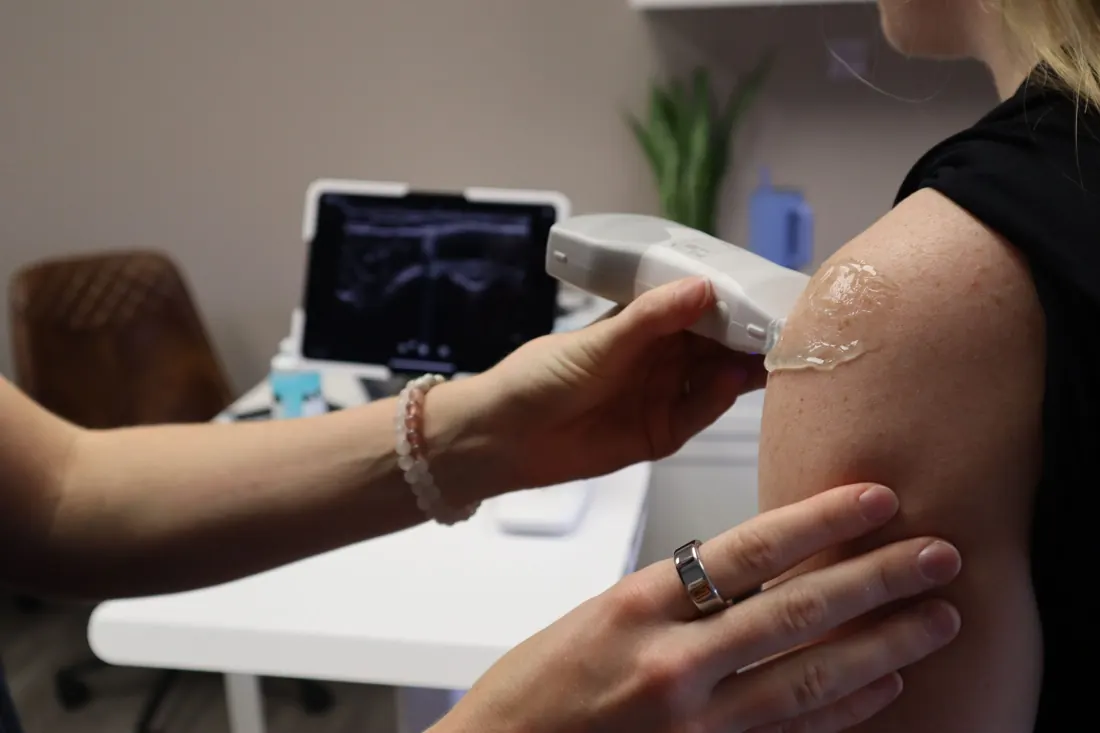
A shoulder dislocation happens when the ball of the upper arm bone is forced out of its shallow socket, causing severe pain and a deformed look. It needs emergency care to put the joint back. Afterward, rehabilitation is the usual start, and surgery is considered when the shoulder keeps slipping, especially in young athletes.
The shoulder is the most mobile joint in the body, and that freedom comes at a cost: the shallow socket gives little bony protection. A shoulder dislocation happens when the ball of the upper arm bone is forced out of the socket. It is common in contact sports, falls and collisions, and it ranges from a partial slip to a complete dislocation.
Types of dislocation
Most dislocations are anterior, meaning the ball slips forward and down, usually when the arm is forced up and back. Posterior dislocations are less common and are associated with seizures, electric shock and direct falls onto the front of the shoulder. A subluxation is a partial dislocation in which the ball slips out and returns on its own. Dislocation often stretches or tears the labrum, the rim of cartilage that deepens the socket, and the capsule around the joint, and it can chip the bone on either side.
Symptoms
- Sudden severe pain and a feeling that the shoulder has come out.
- A squared-off or flattened look to the shoulder, with a visible bulge in front.
- Inability to move the arm, and holding it close to the body for support.
- Swelling, bruising and muscle spasm.
- Numbness or tingling down the arm or in the outer shoulder.
- After a first episode, a feeling of looseness, apprehension with the arm overhead, or a sense of slipping.
Red flags and what to do right away
A shoulder that looks deformed after an injury is an emergency. Call 911 or go to the emergency room, support the arm in the position that is most comfortable, and do not try to push it back in or have a bystander do so, because that can injure nerves and vessels or worsen a fracture. Seek emergency care urgently if the hand is cold, pale, blue or numb. After the shoulder has been put back, arrange to be seen within a few days for follow-up, particularly if you are under 30, since the risk of the joint slipping again is high, or if there is ongoing weakness, numbness or a catching feeling.
How it is diagnosed
X-rays are taken before and after the shoulder is put back in place. They confirm the dislocation, show the direction, and look for fractures of the ball or socket. The examination checks the nerves, especially the one supplying the outer shoulder muscle, and the pulses in the arm. Once the pain has settled, an MRI, often with contrast, can show a labral tear, capsule damage or a rotator cuff tear, which is more common after dislocation in people over about 40. CT is used when there is a bony defect.
Treatment after the shoulder is back in place
- Reduction. A trained clinician returns the ball to the socket, usually with pain medicine or sedation. This is done in an emergency department or urgent setting.
- Short period in a sling. Often one to a few weeks, depending on age and the type of injury. Prolonged immobilization is no longer favored and may not lower the risk of recurrence.
- Rehabilitation. Therapy restores motion, then strengthens the rotator cuff and shoulder blade muscles that help hold the ball in the socket. See physical therapy after injury.
- Surgical stabilization. Considered for repeated dislocations, for younger athletes in contact or overhead sport after a first episode, for significant bone damage, or when rehabilitation does not restore stability. Options include arthroscopic repair of the labrum and capsule, and a bone-block procedure for cases with substantial bone loss. Ask us whether this is offered at the office nearest you. See shoulder labral tear and shoulder arthroscopy.
Recovery ranges
After a first dislocation managed without surgery, many people regain everyday motion within several weeks and return to sport at about two to four months once strength and control are restored, though a clinician should clear a return to contact. After arthroscopic stabilization, a sling is commonly worn for about four to six weeks, motion is introduced progressively, and return to contact or overhead sport is often not considered until about five to six months or later. Recurrence rates are higher in teenagers and young adults and lower in older adults, who instead are more likely to have a cuff tear. Outcomes depend on age, activity and the injury pattern.
What to expect at the follow-up visit
A follow-up examination usually looks at motion, strength, the apprehension that arises when the arm is placed overhead and back, and general looseness in the other shoulder, since some people are naturally lax in both. Reviewing the emergency X-rays, and deciding whether and when to order an MRI, is part of the same visit. This is also the point to talk about your sport, season and work, because the right plan for a weekend player differs from that for a collegiate athlete or a tradesperson who works overhead.
Preventing another episode
Consistent strengthening is the most practical protection. Build the rotator cuff, the muscles around the shoulder blade and the trunk, and practice controlled movement in the positions that previously caused trouble. Contact athletes may use a brace or harness in the season. Learn the warning signs of a slip so you can stop activity rather than push through.
If you are over 40 and have had a dislocation, pay attention to weakness lifting the arm. A cuff tear can be missed if the focus stays on stability, and the related page on rotator cuff tear explains what to look for.
Being seen out-of-network or self-pay
After an emergency reduction, the next steps, including MRI, a surgical opinion and rehabilitation planning, may not be fully covered by your plan if you choose an out-of-network clinic.
Elite MD Care sees patients who use out-of-network benefits and patients who pay directly. We can walk through what a follow-up evaluation would involve so you can compare it with your plan benefits. Bring discharge papers and imaging from the emergency visit. Read how out-of-network visits and self-pay care work, estimate your own share with the out-of-network cost calculator, and see our sports medicine page.
Sources
- MedlinePlus (National Library of Medicine). Dislocations
- MedlinePlus (National Library of Medicine). Shoulder Injuries and Disorders
- National Institute of Arthritis and Musculoskeletal and Skin Diseases (NIH). Sports Injuries
This page is general health information and is not medical advice. It does not create a physician-patient relationship. Consult a qualified clinician about your own symptoms and treatment.