A cortisone injection places a corticosteroid, often with a numbing medicine, into or around an inflamed joint, bursa or tendon sheath to reduce swelling and pain. Relief is usually temporary and varies. Because repeated shots can harm tissue, physicians limit how often an area is treated.
Few treatments are as familiar as the cortisone shot, and few are as often misunderstood. It can calm a flare, but it does not repair the tissue it is placed near. Understanding that difference is the key to using it well.
What a cortisone injection is
Cortisone injections use a corticosteroid, a medicine related to hormones that the adrenal glands make to respond to illness and injury. MedlinePlus describes corticosteroids as reducing inflammation and affecting the immune system, and notes that they are strong medicines with side effects, so they are generally used for as short a time as possible. For an injection, the steroid is usually mixed with a local anesthetic and delivered directly to the inflamed area, which keeps the amount reaching the rest of the body relatively small.
Where it is used
- Arthritic joints such as the knee, hip, shoulder and the small joints of the hand, during a flare. See knee arthritis and osteoarthritis.
- Bursae, for example in hip bursitis and shoulder bursitis.
- Tendon sheaths, as in trigger finger and De Quervain's tenosynovitis, where AAOS says an injection can be effective at reducing swelling and pain.
- Around spinal nerves or facet joints, as in epidural steroid injections and facet joint injections.
Not every painful spot is a good target. AAOS advises using steroid injections very sparingly for tennis elbow, because excessive use can weaken the tendon attachment, and notes that steroid injections are generally not used for cubital tunnel syndrome because of a risk of nerve damage.
Who may benefit, and who should wait
An injection is generally considered when pain from an inflamed structure limits sleep, work or rehabilitation, and when simpler measures have not been enough. It is often most useful as a window of relief that lets a person do the exercises that actually change the problem. It is less suitable when there is infection in or near the area, a joint that is hot and rapidly swelling without a known cause, uncontrolled diabetes, or a bleeding problem. People who take blood thinners need a plan made with their prescriber.
What is usually tried first
- Rest from the aggravating activity, ice or heat, and gradual return.
- Physical therapy and a home exercise program.
- Splints, braces or shoe changes. See knee braces and orthotics.
- Oral anti-inflammatory medicine, if it is safe for you.
How the injection is done
- The physician confirms the target and checks for infection, allergies and medicines that matter.
- The skin is cleaned and may be numbed with a small needle.
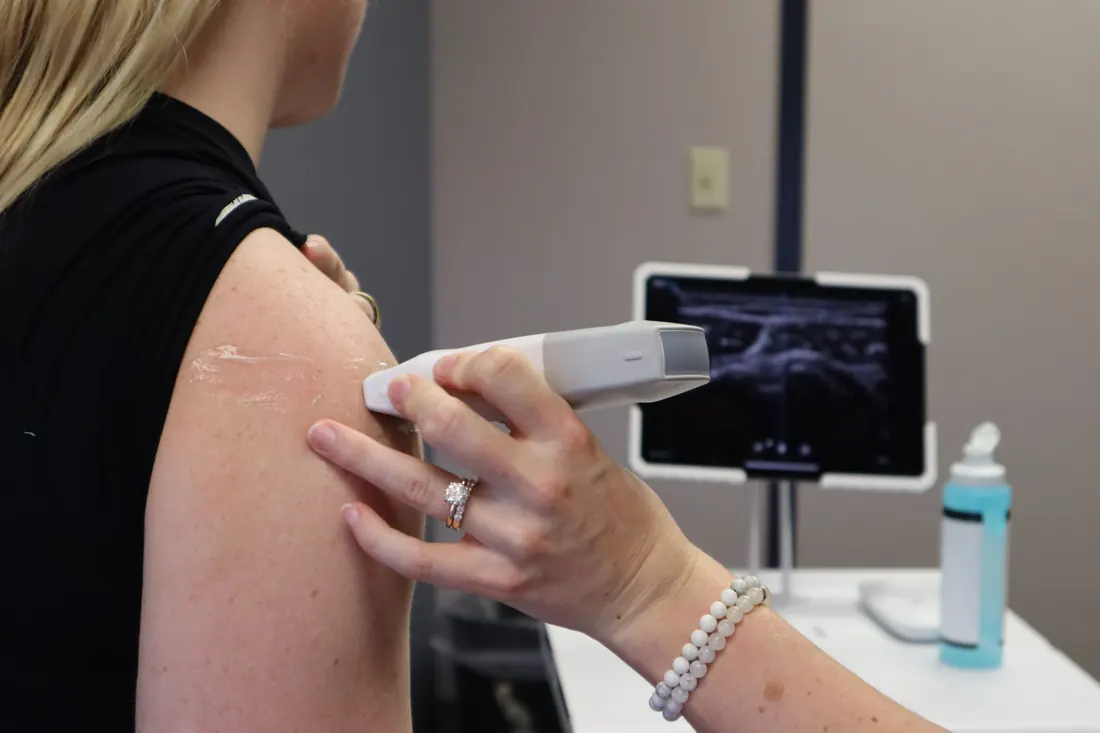
- The needle is placed, sometimes using ultrasound or X-ray guidance for deeper or tight spaces, and the medicine is delivered. See ultrasound-guided injections.
- A small bandage goes on and you may go home after a short observation. The visit often takes well under an hour.
What to expect afterward
The anesthetic may ease the pain in minutes, then fade within hours. Soreness can return or even increase for a day or two as the steroid takes effect. If the injection helps, relief can begin within days and may last weeks to months, though some people notice little. AAOS emphasizes that the effects do not last indefinitely. Many physicians ask you to rest the area for a day or two and return to normal use gradually.
Risks
- A temporary pain flare after the shot.
- Infection in the joint, which is rare but needs urgent attention.
- Thinning or lightening of the skin and loss of fat at the site.
- Tendon weakening or rupture, and, per AAOS, possible long-term joint damage with frequent repeated injections.
- Raised blood sugar for a few days, facial flushing, sleep disturbance or mood changes.
A realistic way to use one
Think of a cortisone injection as a loan of comfort. It can lower pain enough to sleep, to complete a course of therapy or to get through a short commitment, but it does not address why the tissue became inflamed. The best results usually come when the window of relief is used on purpose: stretching a stiff joint, strengthening the muscles that offload it, and fixing the activity or equipment that caused the overload.
It also helps to decide in advance what a good result means. A useful target might be walking a certain distance, sleeping through the night or returning to a sport, rather than a pain score alone. If the first injection does not help, repeating it in the same spot is rarely the right next move, and imaging or a different diagnosis deserves a second look.
Questions to ask the physician
- What exactly is being treated, and is the injection going into the right structure?
- How many injections has this joint or tendon already had?
- How does this interact with my diabetes, blood thinner or upcoming surgery?
- What is the plan if it only helps for a short time?
Cost for out-of-network and self-pay patients
A single injection visit can produce several line items: the evaluation, the procedure, the medicine, and, if guided, the imaging. In a hospital or surgery center there may also be a facility charge. Some plans may not cover certain injections, or may cover them only for specific diagnoses or a limited number per year, so check your plan before the appointment.
For out-of-network benefits, the insurer works from its own allowed amount for each item; our allowed amount guide explains this and the out-of-network cost calculator helps estimate your share. For self-pay care, you may ask for a Good Faith Estimate beforehand, described in the Good Faith Estimate guide. Ask us whether a particular injection is offered at the office nearest you.
When to seek emergency care
Call 911 or go to the emergency room for trouble breathing or swelling of the face or throat after an injection. Seek same-day care for fever, a hot, red, increasingly swollen joint, or severe pain that grows in the days that follow.
Sources
- American Academy of Orthopaedic Surgeons, OrthoInfo. Arthritis of the Knee
- American Academy of Orthopaedic Surgeons, OrthoInfo. De Quervain's Tenosynovitis
- American Academy of Orthopaedic Surgeons, OrthoInfo. Tennis Elbow (Lateral Epicondylitis)
- American Academy of Orthopaedic Surgeons, OrthoInfo. Cubital Tunnel Syndrome
- MedlinePlus (NIH). Steroids
This page is general health information and is not medical advice. It does not create a physician-patient relationship. Consult a qualified clinician about your own symptoms and treatment.