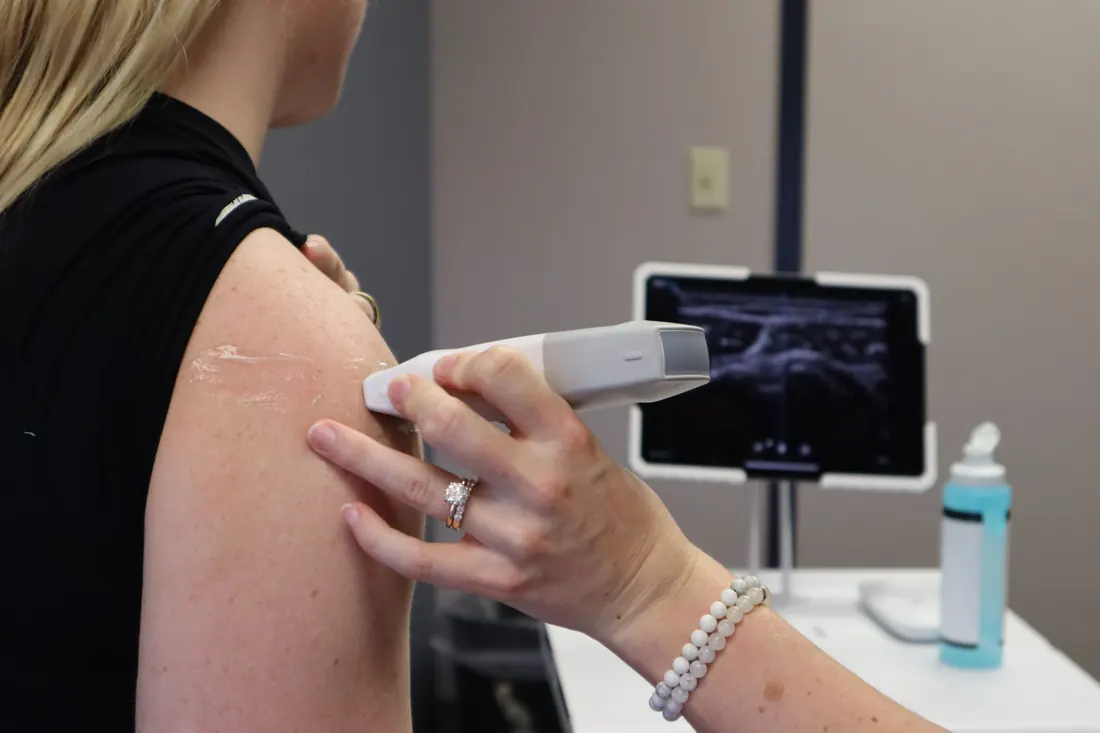
Tell the clinician about blood thinners, diabetes, allergies, infections, pregnancy and any recent illness or fever. Ask about which medicines to continue, whether you need a driver and what to eat beforehand. Do not stop prescribed medicine on your own. Afterward, expect some soreness and report fever, severe headache, new weakness or worsening redness.
A steroid injection delivers an anti-inflammatory medicine to a specific place, such as a joint, a tendon sheath or the space around a spinal nerve. Preparation is usually simple, and most of it comes down to giving the clinician the information needed to keep the procedure safe. Practices differ in their instructions, so treat this page as general information and follow the written directions you receive.
Before you book: questions worth asking
- What is the injection meant to do, and what is the goal for my problem?
- Is it for treatment, for diagnosis, or both?
- Will it be done with X-ray or ultrasound guidance?
- Where will it be done, and who bills for what?
- How many injections might I need, and how far apart?
- What are the alternatives, including waiting?
Our pages on epidural steroid injection, joint injections and facet joint injection describe the main types. Insurance often requires approval first, covered in the prior authorization guide, and the epidural injection cost guide lists the pieces of a bill to ask about.
What to tell the team
| Tell them about | Why it matters |
|---|---|
| Blood thinners or antiplatelet medicines | They affect bleeding risk, and some procedures need a plan for them |
| Diabetes | Steroids can temporarily raise blood sugar |
| Allergies, including contrast dye, iodine, latex and local anesthetics | These may be used in the procedure |
| Infection, fever or antibiotics | Injections are usually postponed during an active infection |
| Pregnancy or possible pregnancy | X-ray guidance and medicines may need adjusting |
| Recent steroid use or other injections | Total steroid exposure is tracked |
| Heart, kidney, or other chronic conditions | They can affect choices about medicines and sedation |
Medicines: ask, do not guess
Whether to pause a blood thinner is a decision for the clinician who prescribes it together with the one doing the injection, because stopping can carry its own risks. Do not stop or change any prescribed medicine unless you are told to. Bring a written list of everything you take, including over-the-counter products, supplements and herbal remedies, since some affect bleeding. Ask specifically about the days before and the morning of the procedure.
The day of the procedure
- Follow the eating instructions. Light sedation sometimes means fasting, and many injections need none, so ask.
- Arrange a driver if sedation is planned or if you are told not to drive afterward.
- Wear loose, comfortable clothing, since you may change into a gown or lie on your stomach.
- Bring your ID, insurance card, medication list and any imaging that is relevant.
- Tell the team how you feel that day. A fever, cough or new infection is worth mentioning, since the procedure may be rescheduled.
- Expect a short procedure. The skin is cleaned and numbed, imaging may be used to guide the needle, and the medicine is injected. You may feel pressure or brief discomfort.
What you may feel afterward
Soreness at the injection site for a day or two is common. Local anesthetic may leave an area numb or weak for a few hours, which is why activity is limited at first. Some people have a temporary flare of pain, facial flushing, trouble sleeping or higher blood sugar for a few days after steroid medicine. Benefit, when it comes, may take days to appear, and it varies from person to person. It is not guaranteed, and it may not last. The injection is often meant to give a window in which therapy and movement are easier, not to replace them. Pages on how long back pain lasts can help you set expectations.
Aftercare in practice
- Rest the area for the time you are advised, then return to normal activity gradually.
- Use ice at the site if it feels good, and follow instructions about bathing and dressings.
- If you have diabetes, check blood sugar as directed for the first few days.
- Keep a note of how your pain changes over the first two weeks to share at follow-up.
When to call, and when to go to the emergency room
Call the office for fever, redness, warmth or increasing swelling at the site, or pain that is much worse than before. Call 911 or go to an emergency room for new weakness or numbness in a limb, loss of bladder or bowel control, chest pain or trouble breathing, a severe headache that is worse upright after a spinal injection, or signs of an allergic reaction such as hives, swelling of the lips or face, or wheezing. Do not wait for office hours with these.
For scheduling questions, contact us.
If you feel nervous
Many people are anxious about needles, particularly near the spine. It is fine to say so. Staff can explain each step, numb the skin well and sometimes offer light sedation if it is appropriate for your procedure and health. Ask what you will see and feel, how long you will lie still and whether you can ask the team to pause. Knowing the sequence in advance tends to reduce worry. If you have had a bad experience with a previous injection, tell the team, since it can change how the procedure is planned.
Questions for the follow-up visit
- How much did my pain change, and for how long?
- Was I able to do more, such as walking farther or taking part in therapy?
- Were there side effects, even minor ones?
- Does the result tell us something about the pain source?
- What is the next step if the benefit was partial or short?
Repeating injections is not automatic. Many practices limit how often steroid injections are given, because repeated doses add up. If the first one helped only a little, the plan may shift to a different approach rather than a repeat. You can read about related options in our pages on nerve blocks and radiofrequency ablation.
Sources
- OrthoInfo (AAOS): Spinal Injections
- MedlinePlus: Steroids
- MedlinePlus: Pain Relievers
- NIAMS: Osteoarthritis
General information, not legal, tax or insurance advice. Your plan documents and insurer decide coverage; we confirm your actual benefits before you book.