Plantar fasciitis often improves without surgery, but it rarely disappears quickly. AAOS reports that more than 90 percent of patients improve within 10 months of starting simple treatment such as stretching. Doing nothing may still work for some, but it can leave the heel sore for a long time.
The plantar fascia is a thick band of tissue running under the foot from the heel bone toward the toes. When it is strained repeatedly, it becomes irritated, and the classic result is stabbing heel pain with the first steps in the morning. The condition is common, with AAOS estimating around 2 million people treated for it each year, and most never need an operation.
What "going away on its own" really looks like
Some cases do fade when the trigger disappears, for example after a stretch of unusual standing, a new running volume or unsupportive shoes. But the tissue heals slowly because it is loaded with every step, so it is hard to rest completely. That is why recoveries are measured in months. The AAOS figure of more than 90 percent improving within 10 months comes with a condition: it refers to people who started simple treatments, not people who waited and did nothing. It also describes a group, not a promise for any single person.
What tends to move things along
| Step | Why it is used |
|---|---|
| Calf and plantar fascia stretching | AAOS calls stretching the most effective way to relieve the pain of this condition |
| Supportive, cushioned footwear | Reduces strain on the band with each step |
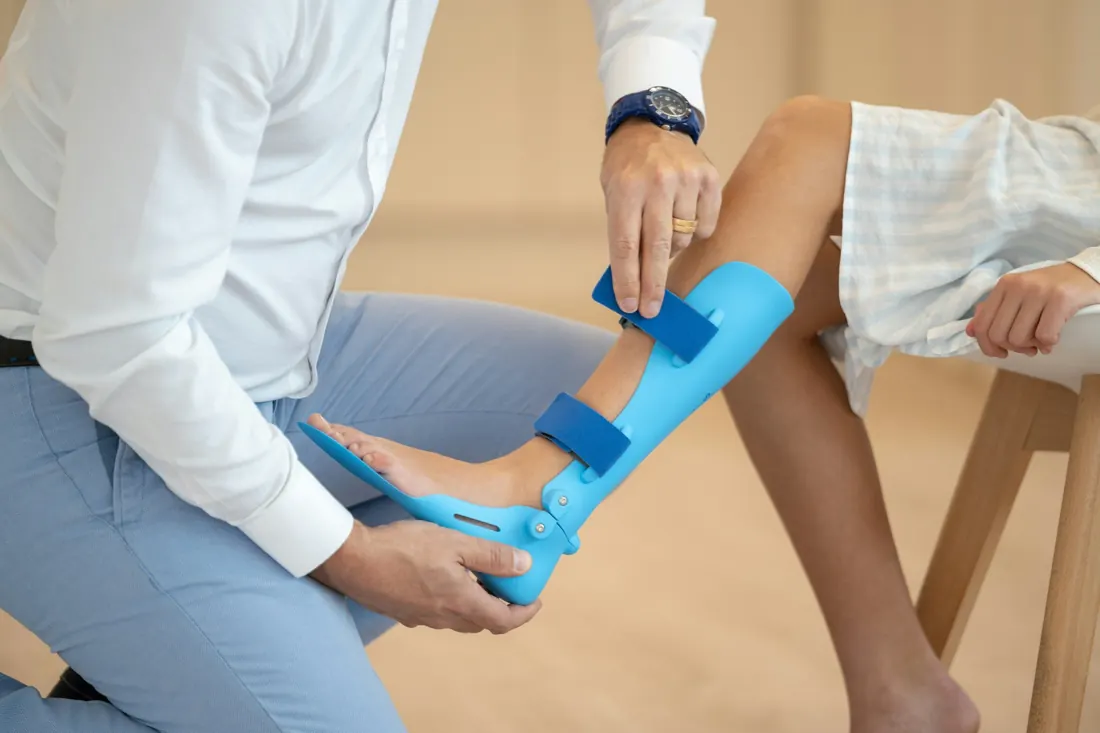
| Heel cups, arch supports or orthotics | Can spread load, and some people find night splints helpful |
| Activity changes | Swapping some running or jumping for lower-impact exercise gives the tissue room to settle |
| Physical therapy | Adds guided stretching, strengthening and gait advice |
The morning stretch routine most clinicians describe
- Before stepping out of bed, pull the toes toward the shin and hold for several seconds to wake up the tissue.
- Do a calf stretch against a wall with the back knee straight and heel on the floor.
- Sit with the ankle crossed over the opposite knee and pull the toes back until you feel the arch stretch. AAOS describes holding this kind of stretch for around 10 seconds and repeating it.
- Repeat during the day, especially after long periods of sitting.
Consistency beats intensity here. A few gentle stretches every day usually do more than an occasional hard session, and stretching into sharp pain can aggravate the heel. Our page on heel pain in the morning explains why the first steps hurt most.
Is it really plantar fasciitis?
Several other problems can mimic it, including a stress fracture of the heel bone, a pinched nerve in the foot, fat pad irritation and Achilles tendon problems. Pain that burns, tingles or radiates, pain at night without activity, or swelling and warmth point away from the usual picture. The related page on sharp pain in the heel when walking lists patterns worth noting, and our main plantar fasciitis page covers evaluation.
When home care is not enough
If several months of consistent stretching, footwear changes and activity modification have not helped, a clinician may add other options. These can include night splints, custom orthotics, a corticosteroid injection in selected cases, or shockwave therapy. Surgery is a last resort and is typically considered only after a prolonged period of non-surgical care has failed. Injections near the heel carry their own risks, and our overview of cortisone injections explains the tradeoffs.
Red flags
Call 911 or go to the nearest emergency room if the foot is deformed after a fall, you cannot bear weight at all after an injury, or the foot is cold, pale, blue or numb. A hot, red, swollen foot with fever can be an infection and needs urgent care, particularly in people with diabetes or poor circulation. Sudden pain with a pop at the back of the heel or lower calf can be an Achilles tendon injury and should be evaluated promptly.
When to make an appointment
- Heel pain that has lasted more than a few weeks despite sensible self-care.
- Pain that is worsening, or that wakes you at night.
- Numbness, tingling or visible swelling in the foot.
- A history of diabetes, neuropathy or circulation problems.
Shoes, surfaces and everyday load
Because the plantar fascia is loaded with every step, the environment around your feet matters as much as any exercise. Walking barefoot on hard floors, standing for long shifts, worn-out running shoes and sudden increases in mileage are all common aggravators. Replacing shoes that have lost their cushioning, adding a modest heel lift or arch support, and spreading standing time with breaks are low-cost changes that many people try first. A sensible plan is to change one thing at a time, so you can tell what is helping.
Weight, calves and other contributors
Several factors raise the strain on the fascia. Tight calf muscles limit ankle motion and pull on the heel, a higher body weight increases the load on each step, and very flat or very high arches can change how force is shared across the foot. Occupations that involve standing on hard surfaces are another factor. None of these are blame; they are simply levers. Addressing the ones that apply to you, with a clinician's help if needed, tends to give the stretching routine a better chance to work.
A note about bone spurs
AAOS discusses plantar fasciitis together with heel spurs, because a bony growth on the heel bone is sometimes seen on X-ray in people with this condition. The spur is often not the source of the pain, and many people have spurs without any heel pain. That is why treatment is aimed at the soft tissue and the load placed on it, not at the spur itself.
If you would like help choosing where to start, the which-specialist tool can help, and you can contact us to ask about a visit. This page is general information and not a diagnosis.
Sources
General information, not legal, tax or insurance advice. Your plan documents and insurer decide coverage; we confirm your actual benefits before you book.