Relief varies widely. In AAOS material on rotator cuff problems, injections provide pain relief in about two-thirds of patients for at least 3 months on average, but there is no way to know how long effects will last. For osteoarthritis, AAOS describes corticosteroid relief as short term, and some people get little benefit.
People often ask for a number of weeks or months, and the honest reply is a range with caveats. A cortisone injection reduces inflammation, and whether the benefit lasts depends on what is driving the pain. If the underlying problem persists and the joint is loaded the same way, the inflammation often returns.
What published sources say
AAOS, discussing rotator cuff tears, states that cortisone is a very effective anti-inflammatory but is not effective for all patients. It reports that, on average, injections can be expected to provide pain relief in about two-thirds of patients for a period of at least 3 months, and adds that there is no way to know how long the effects will last, which may be weeks, months, years or possibly the rest of your life. For osteoarthritis, AAOS says corticosteroids provide short-term relief of pain and swelling. These statements describe groups and specific conditions, so they do not predict your result.
What shapes the duration
| Factor | Why it matters |
|---|---|
| Diagnosis | Bursitis or a flared tendon may respond differently from advanced arthritis or a structural tear |
| Severity of damage | The more worn or torn the tissue, the more likely symptoms return |
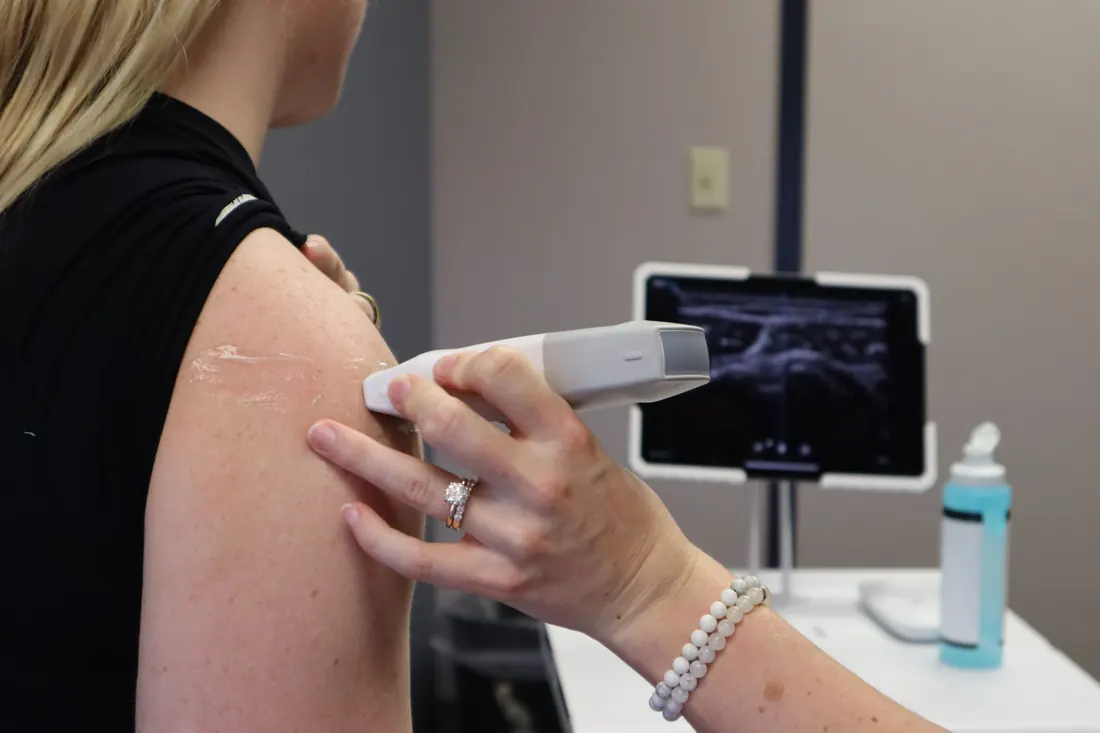
| Accuracy of placement | Medicine that reaches the right space works better, and ultrasound guidance can help, as our ultrasound-guided injections page describes |
| Activity afterward | Heavy use too soon can bring pain back sooner |
| Rehabilitation | Therapy during the pain-free window can improve strength and mechanics |
| Individual response | Some people get strong relief and others very little |
When it starts to work
Relief from the local anesthetic can begin within minutes and wear off within hours. The steroid itself generally takes longer, often building over a few days. Some people feel a temporary flare first. Judging the injection too early can mislead you, so many clinicians suggest waiting a week or so before deciding whether it helped, unless there are warning signs. Our page on whether a cortisone shot is painful covers the first day or two in more detail.
Using the window wisely
- Start or continue therapy. Strengthening while pain is lower can address the reason the joint hurt.
- Do not overdo it. Feeling better is not a sign the tissue has healed. Resume heavy activity gradually.
- Fix triggers. Workstation setup, technique, footwear or load can keep the problem going.
- Track your response. Note how many days of relief you get, since that guides next steps.
Why the number of injections is limited
AAOS says there are potential risks from repeated, long-term injections and that you should talk to your doctor about the pros and cons. In tennis elbow, it cautions that steroid injections should be used very sparingly because excessive use can weaken the tendon attachment over time. Clinicians therefore tend to space injections and cap the number in a given joint. Our guide on how many steroid injections you can have goes through the logic, and the cortisone injections page covers risks.
When it wears off sooner than hoped
Short relief does not mean the injection was wasted. It may tell you something about the problem. A good but brief response suggests that inflammation is part of the picture and that a longer plan, such as therapy, a brace or a different injection type, is needed. A poor response may point toward a different diagnosis or a structural cause. Options after cortisone include hyaluronic acid injections for some arthritic joints, PRP injections for selected tendon problems, other non-surgical care, or a surgical opinion if the problem is structural. Your clinician can help match options to your diagnosis.
Red flags
Call 911 or go to the nearest emergency room for trouble breathing, facial swelling or hives after an injection, or for new weakness or loss of bladder or bowel control after a spinal injection. Contact the clinic the same day for fever, spreading redness, heat, drainage or worsening pain at the site. See a clinician promptly if a joint suddenly gives way or you cannot use it after a cortisone shot, particularly around a tendon.
Questions to ask before a repeat injection
- How much relief did I get last time, and for how long?
- What is the plan if the pain returns again?
- Is there a limit to how often this joint should be injected?
- What alternatives could I try in between?
Different joints, different expectations
The same medicine behaves differently depending on where it is placed. In the shoulder, injections are used for rotator cuff irritation and bursitis, and the AAOS figures above come from that setting. In an arthritic knee or hip, relief is often described as short term, and benefit may fade as arthritis progresses. For tendon problems such as tennis elbow, repeated steroid use is discouraged, and some patients are offered alternatives. For spine-related pain, an epidural steroid injection is aimed at calming an irritated nerve root, and relief can be brief or last longer depending on the cause. Our page on epidural steroid injection describes that setting.
Tracking your own result
A simple diary makes the next decision easier. Record your pain on a 0 to 10 scale on the day before the injection, then each day for two weeks, and note what activities you could do. If the relief lasts a few days only, that is a different story than relief that lasts several months, and your clinician can use it to decide on a repeat injection or a different approach. Keep notes of any side effects too, such as flushing, sleep changes or blood sugar changes if you have diabetes.
To talk through options, you can contact us. This page is general information, not medical advice for your condition.
Sources
- OrthoInfo (AAOS): Rotator Cuff Tears
- OrthoInfo (AAOS): Osteoarthritis
- OrthoInfo (AAOS): Tennis Elbow (Lateral Epicondylitis)
General information, not legal, tax or insurance advice. Your plan documents and insurer decide coverage; we confirm your actual benefits before you book.