Rotator cuff surgery cost depends on tear size, repair method, number of anchors, the facility and a long therapy course afterward. Surgeon, facility, anesthesia and rehab bill separately. There is no honest single number. Ask for a bundled self-pay quote or Good Faith Estimate that lists what is included, in writing.
If you are pricing rotator cuff surgery, start with a distinction that changes almost everything: the repair itself, arthroscopic or open, is only part of the bill. Anchors, anesthesia, a nerve block, a sling and months of therapy all land in different places.
Where each bill comes from
Think of five buckets. The operation is the surgeon's fee. The place is the facility fee for the operating room and recovery. The anesthesia includes the general anesthesia team and, often, a regional nerve block placed near the shoulder. The materials are suture anchors and any graft or patch used for a large tear. The aftercare is the sling, follow-up visits and therapy.
Each bucket may come from a different company, and each can be in or out of your network separately.
What moves the total
Tear size and what is done
A small tear and a large or retracted tear need different amounts of work and sometimes different materials. Your surgeon may add other procedures in the same sitting, such as treating the biceps tendon or smoothing bone around the tendon.
Arthroscopic or open
Most repairs begin arthroscopically, and some need conversion to open surgery. Ask what the quote assumes.
Anchors and grafts
The number of anchors depends on the tear. Ask whether anchors are included or itemized.
Regional nerve block
A block can help with early pain control and is often billed by a separate anesthesia group. Check whether it is in the estimate and who bills it.
The procedure is described on our rotator cuff repair page, and the injury on the rotator cuff tear page.
Out-of-network billing for rotator cuff surgery
Your insurer will not use the provider's charge for rotator cuff surgery. It substitutes the allowed amount, takes your out-of-network deductible out of it, and splits the remainder between you and the plan by coinsurance. Anything between the charge and the allowed amount is the provider's to bill you, unless a law or contract says otherwise. That is why two patients with the same bill can owe very different amounts.
Hypothetical example: out-of-network repair
These are invented, round numbers, shown only to illustrate the arithmetic. They are not a quote or an average.
| Component | Charge billed | Allowed amount |
|---|---|---|
| Surgeon fee | $5,000 | $3,000 |
| Surgery center fee | $7,000 | $4,000 |
| Anesthesia and nerve block | $2,000 | $1,000 |
| Anchors and supplies | $2,000 | $1,000 |
| Total | $16,000 | $9,000 |
- Your deductible: $1,000
- Plan payment: $6,400 (80% of $8,000)
- Your coinsurance: $1,600
- Balance bill: $7,000
That adds up to $9,600 owed by you, using numbers invented for this page.
Therapy visits afterward would run through the same math, one claim at a time.
Therapy is the long tail
After a rotator cuff repair the shoulder is protected in a sling for a period, and then a long course of therapy follows. That course is usually the largest source of bills after surgery by count, even if each visit is modest. Ask the surgeon's office what therapy schedule it expects, and ask a therapy provider how it bills. Out-of-network therapy visits each run through the same allowed amount, deductible and coinsurance math, so a long course multiplies the effect.
Surgery or not?
Many partial tears are managed with therapy and injections first. If you have not yet decided on surgery, ask for estimates on both paths. OrthoInfo describes the surgical options in plain language.
Self-pay and bundled quotes
Paying yourself turns the question from "what will my plan allow?" into "what is the total, in writing?". Ask for a bundled self-pay quote that names every bill it covers and every one it leaves out. If you are uninsured or choosing not to use insurance, you are also entitled to a Good Faith Estimate for scheduled care, and a final bill at least $400 above it opens a federal dispute option. Our self-pay page explains how self-pay works here.
HSA and FSA
An HSA or FSA card can often be used at checkout for rotator cuff surgery, subject to your plan's own rules. Hold on to the itemized statement either way, because a card swipe does not replace documentation if your account is reviewed. IRS Publication 969 is the federal reference, and the HSA and FSA guide turns it into a checklist.
Questions to ask before you book
- Does the quote assume an arthroscopic repair, and what if it converts?
- How many anchors are included?
- Is the nerve block in the quote, and who bills for it?
- Are other procedures, such as biceps work, covered if needed?
- Is therapy included, and for how long?
- Is the facility a surgery center or a hospital?
Imaging before the decision
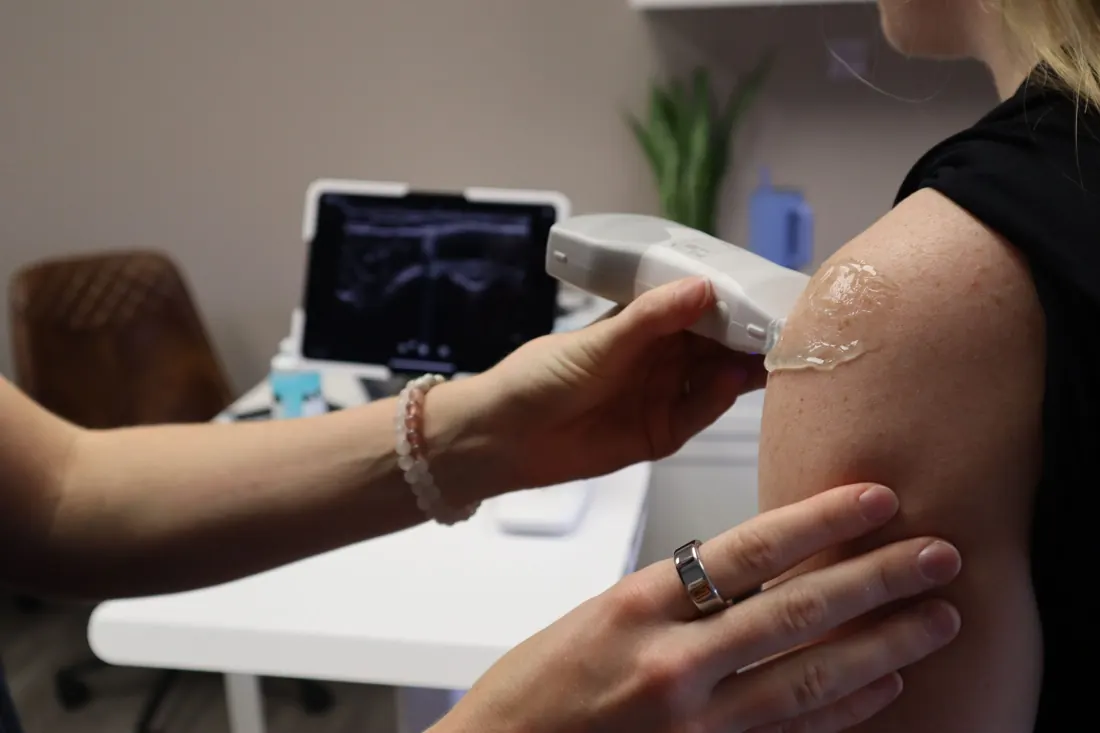
Most surgeons want an MRI or ultrasound before recommending repair. That imaging is its own bill and is often done weeks before surgery, so it is easy to forget when you total your costs. Our MRI cost guide explains how scans are billed.
Follow-up visits and the sling
Ask how long routine follow-up is included in the surgeon's fee, and whether the sling and any cold therapy device are in the quote or bought separately. Small items like these rarely appear on a first estimate and are worth asking about early.
Keep every statement and explanation of benefits together as they arrive. Rotator cuff recovery runs over many months, and checking each bill against your original estimate is the easiest way to spot a charge that was not quoted.
The out-of-network cost calculator turns your deductible, coinsurance and a quoted charge into an estimate of what you may owe. For a written answer tailored to you, contact us.
Sources
- OrthoInfo (AAOS): Rotator cuff tears, surgical treatment options
- MedlinePlus: Rotator cuff injuries
- CMS: Understanding costs in advance
- IRS Publication 969: HSAs and other tax-favored health plans
General information, not legal, tax or insurance advice. Your plan documents and insurer decide coverage; we confirm your actual benefits before you book.