Plantar fasciitis is irritation of the thick band of tissue along the bottom of the foot, causing heel pain that is worst with the first steps in the morning. Stretching, supportive shoes and activity changes help most people over several months. Injections and surgery are for persistent cases.
The first steps out of bed feel like walking on a bruise, and then the pain eases after a few minutes. That pattern is so characteristic that doctors can often suspect plantar fasciitis from the story alone. It is the most common cause of heel pain in adults, and it is rarely dangerous. It can be stubborn, though.
What the plantar fascia does
The plantar fascia is a thick band of connective tissue that runs from the heel bone to the base of the toes and supports the arch. It acts like a bowstring, tightening as the toes bend during walking. Repeated stress causes small tears and degeneration where it attaches to the heel, which is why many specialists now describe the problem as fasciopathy more than simple inflammation.
Symptoms
- Sharp or stabbing pain at the bottom of the heel, usually toward the inside.
- Worst with the first steps in the morning or after sitting for a while, and easing as you warm up.
- Pain that builds after long periods on your feet, and sometimes after, rather than during, exercise.
- Tenderness when pressing on the heel, and pain when the toes are pulled upward.
Who gets it
It is most common between 40 and 60 and is seen in runners, dancers and people whose work keeps them on hard floors, including nurses, teachers, warehouse and retail workers. Risk factors include higher body weight, tight calf muscles and Achilles tendons, very flat or very high arches, sudden increases in running or standing, and worn or unsupportive shoes.
Other causes of heel pain
Several conditions mimic plantar fasciitis, and the distinctions matter.
- Stress fracture of the heel bone, with pain that builds with activity and is tender to squeezing the sides of the heel.
- Nerve entrapment such as tarsal tunnel syndrome, with burning or tingling along the inside of the foot. See pinched nerve.
- Fat pad atrophy, with central heel pain in older adults.
- Achilles tendon problems at the back of the heel.
- Arthritis, and referred pain from the lower back or leg.
Heel spurs, bony growths seen on X-ray, are often blamed, but they are common in people with no pain and are usually not the cause.
When to be seen
See a clinician if heel pain persists beyond a few weeks despite self-care, if it is severe or follows an injury, or if you cannot bear weight. Seek urgent care for a hot, red, swollen foot with fever, for numbness or color change in the foot, or if you have diabetes and a new foot wound or sore.
Get emergency care (call 911 or go to an emergency room) for heel pain after a fall or jump with sudden inability to bear weight, or if the foot is red, hot and swollen with a fever, especially if you have diabetes.
Diagnosis
Examination identifies the point of maximal tenderness, checks calf and Achilles tightness and looks at arch shape, gait and footwear. Imaging is often unnecessary at first. X-rays help exclude a fracture or arthritis. Ultrasound can show thickening of the fascia, and MRI is reserved for atypical or persistent cases where stress fracture, nerve problems or other causes are suspected.
Treatment, from simple to surgical
Self-care and therapy
- Plantar fascia and calf stretching. A common routine is to stretch the fascia before standing in the morning and to stretch the calf several times a day.
- Supportive footwear with cushioning and arch support, and avoiding barefoot walking on hard floors.
- Heel cups or over-the-counter or custom orthotics.
- Ice, for example rolling the foot over a cold bottle, and short-term anti-inflammatory medication when appropriate.
- Activity changes, swapping running for cycling or swimming while the tissue calms.
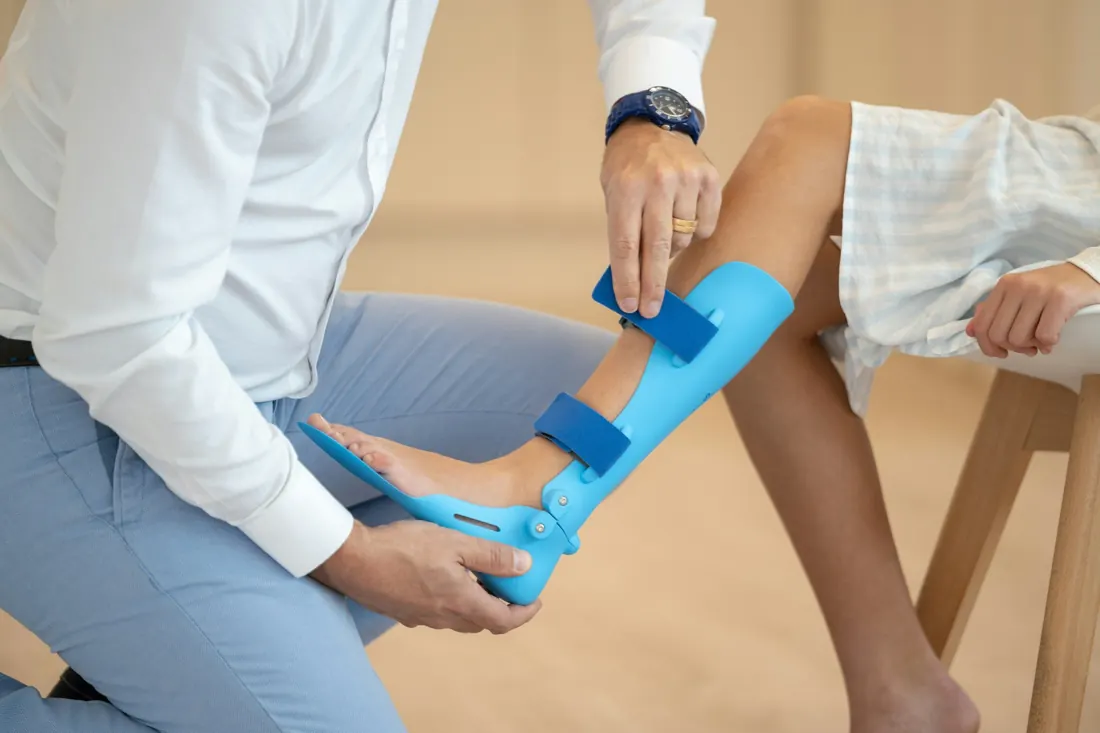
- Night splints that hold the foot gently flexed, which help some people with morning pain.
- Physical therapy including strengthening and loading programs.
Further options
If symptoms persist after several months, options include a corticosteroid injection, which may relieve pain in the short term but carries a small risk of weakening the fascia or the heel fat pad, extracorporeal shockwave therapy, and, in some practices, biologic injections such as platelet-rich plasma with variable evidence. A short period in a walking boot can calm severe cases.
Surgery
Surgery is rarely needed and is considered after about six to twelve months of consistent non-surgical care. It typically involves partial release of the plantar fascia, and sometimes calf lengthening if tightness contributes. Recovery involves weeks of protected walking.
Recovery expectations
Most people improve with conservative care, though it often takes months. Many notice gradual relief within three to six months, and a majority recover within about a year, though pain can return if the contributing factors are not addressed. This varies from person to person, and persistent pain deserves reassessment.
Keeping it from coming back
Replace worn shoes, increase running or standing time gradually, keep calf muscles flexible, maintain a healthy weight and use supportive footwear on hard surfaces. If your job keeps you on your feet, cushioned mats and shoes with good support may help.
Choosing shoes and inserts
Look for a shoe with a firm heel counter, cushioning under the heel and a midsole that does not bend in the middle. Flat, thin-soled shoes and worn-out sneakers tend to make heel pain worse. Off-the-shelf arch supports are a reasonable first step, and custom orthotics are considered when foot structure is unusual or the problem persists. Replace running shoes after several hundred miles, and avoid going barefoot on hard floors while the heel is sore.
Being seen out-of-network or self-pay
A clear diagnosis early on, with a guided stretching and footwear plan, can spare months of trial and error.
Elite MD Care sees patients who use out-of-network benefits and patients who pay directly. Read how out-of-network visits and self-pay care work, learn about orthopedics, and see our locations. If you are active in sport, see also sports injuries.
Sources
- American Academy of Orthopaedic Surgeons, OrthoInfo. Plantar Fasciitis and Bone Spurs
- National Institute of Arthritis and Musculoskeletal and Skin Diseases (NIH). Tendinitis
- American Academy of Orthopaedic Surgeons, OrthoInfo. Achilles Tendinitis
This page is general health information and is not medical advice. It does not create a physician-patient relationship. Consult a qualified clinician about your own symptoms and treatment.