Flat feet means the arch of the foot is low or collapses when you stand, and the whole sole may touch the ground. Many people have no symptoms and need no treatment. When it causes foot, ankle or shin pain, shoes with support, orthotics and therapy are tried before any surgery.
A low arch is one of the most common variations in the human foot, and many people with flat feet run, jump and work on their feet without trouble. The question for a clinician is not whether the arch looks flat, but whether it hurts, is changing, or limits what you do.
Flexible and rigid flat feet
In a flexible flat foot, the arch is visible when you sit or rise onto your toes and disappears when you stand. This is the common type, it often starts in childhood, and it is frequently painless. A rigid flat foot stays flat in every position and the joints do not move normally. That type is less common and more likely to cause pain, and sometimes reflects a joint problem such as a connection between foot bones. A third pattern is adult-acquired flatfoot, in which an arch that used to be normal gradually falls, most often because a supporting tendon or ligament has weakened.
What people feel
- Aching along the inside of the arch or heel after standing or walking.
- Pain on the outer side of the ankle if the heel drifts outward and the bones impinge.
- Swelling along the inner ankle.
- Tired legs, shin discomfort and knee or hip aches in some people.
- Shoes that wear down unevenly, particularly on the inner edge.
- A heel that tilts outward when viewed from behind.
Heel pain with the first steps of the day may also be plantar fasciitis, which is more frequent in people with low arches.
What leads to flat feet
Normal variation and family traits account for most childhood cases. In adults, causes include tendon weakness, injuries that damage arch ligaments, inflammatory arthritis, diabetes affecting nerves and joints, higher body weight, and aging. Pregnancy and a sudden change in activity can unmask symptoms. Neurological conditions can change foot shape as well, which is one reason a sudden change deserves attention.
When it needs urgent attention
Go to an emergency room or call 911 for a foot or ankle that is hot, red and swollen with fever, a wound with spreading redness, a foot that turns cold, pale or blue, or a deformity after an injury with inability to bear weight. In people with diabetes, a swollen, warm foot with little pain can signal a serious joint problem and should be seen promptly.
Make an appointment within days if the arch has dropped recently, if the heel is turning outward, if the inner ankle is swollen and painful, or if you cannot rise on your toes. Gradual, mild aching can be evaluated within a few weeks. Children whose feet are stiff, painful or limit sports also deserve an evaluation.
How flat feet are evaluated
The examination looks at your feet standing, sitting and walking, checks whether the arch appears when you rise on your toes, assesses heel alignment from behind and tests the strength of the tendon that supports the arch. Weight-bearing X-rays show how the bones line up under load. MRI or ultrasound is used when a tendon tear is suspected, and CT can show rigid joint connections. For adults with a new change, the evaluation focuses on the posterior tibial tendon, which is the most common culprit.
Treatment, from simple to surgical
When there is no pain
Treatment is usually unnecessary. Supportive shoes are reasonable, but there is no evidence that correcting a painless flexible flat foot in a child prevents later problems.
When symptoms appear
- Supportive, stable shoes, and over-the-counter or custom orthotics that hold the arch.
- Calf and Achilles stretching, because a tight calf adds stress to the arch.
- Strengthening of the foot and ankle muscles with a therapist.
- Activity changes and anti-inflammatory medication when it is safe for you.
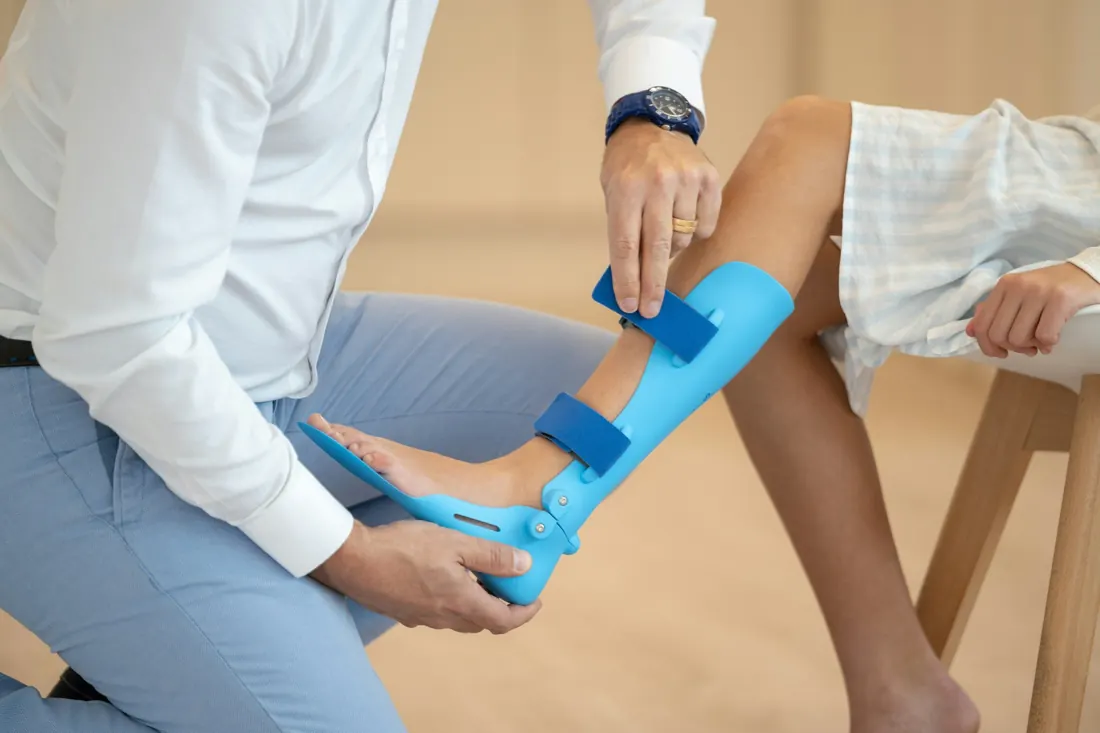
- For more advanced cases, a stiff brace that supports the ankle and arch.
Surgery
Surgery is considered for painful deformity that does not respond to a thorough non-surgical trial. It can involve tendon repair or transfer, realignment of the heel bone, lengthening of tight structures, or fusion of joints in the midfoot or hindfoot. The best option depends on whether the foot is flexible or rigid and on bone and tendon condition. Ask us whether a given procedure is offered at the office nearest you.
Children and flat feet
Nearly all infants appear flat-footed, and arches typically develop through early childhood. A child with a flexible, painless flat foot usually needs only observation. A child with pain, a stiff foot, frequent tripping or limited sports participation should be examined, since a rigid flat foot can reflect a joint problem that benefits from earlier attention.
What to expect over time
Many people feel better within weeks of switching shoes and starting orthotics and stretching. Surgical recovery usually involves weeks without full weight on the foot, followed by months of rehabilitation, and swelling can last well beyond that. Because the foot has to support body weight constantly, it is best to treat any timeline as an estimate that your surgeon will refine for your situation.
Everyday ways to reduce strain
- Replace worn athletic shoes, and avoid going barefoot on hard floors if it aggravates symptoms.
- Build up walking and running gradually, rather than jumping from none to a lot.
- Stretch the calves daily.
- Raise any new swelling or arch change early.
Heel symptoms and flat feet often go together. See heel pain in the morning and Achilles tendinitis for related problems.
Out-of-network and self-pay evaluation
Foot evaluations may include standing X-rays, orthotics and follow-up visits, so it is worth asking in advance what each would involve. Elite MD Care sees patients who use out-of-network benefits and patients who pay directly. Read about out-of-network care and self-pay care, estimate what your plan might reimburse with the out-of-network cost calculator, and learn about orthopedic care.
Sources
- American Academy of Orthopaedic Surgeons, OrthoInfo. Adult-Acquired Flatfoot
- American Academy of Orthopaedic Surgeons, OrthoInfo. Posterior Tibial Tendon Dysfunction
- MedlinePlus (National Library of Medicine). Foot Injuries and Disorders
This page is general health information and is not medical advice. It does not create a physician-patient relationship. Consult a qualified clinician about your own symptoms and treatment.