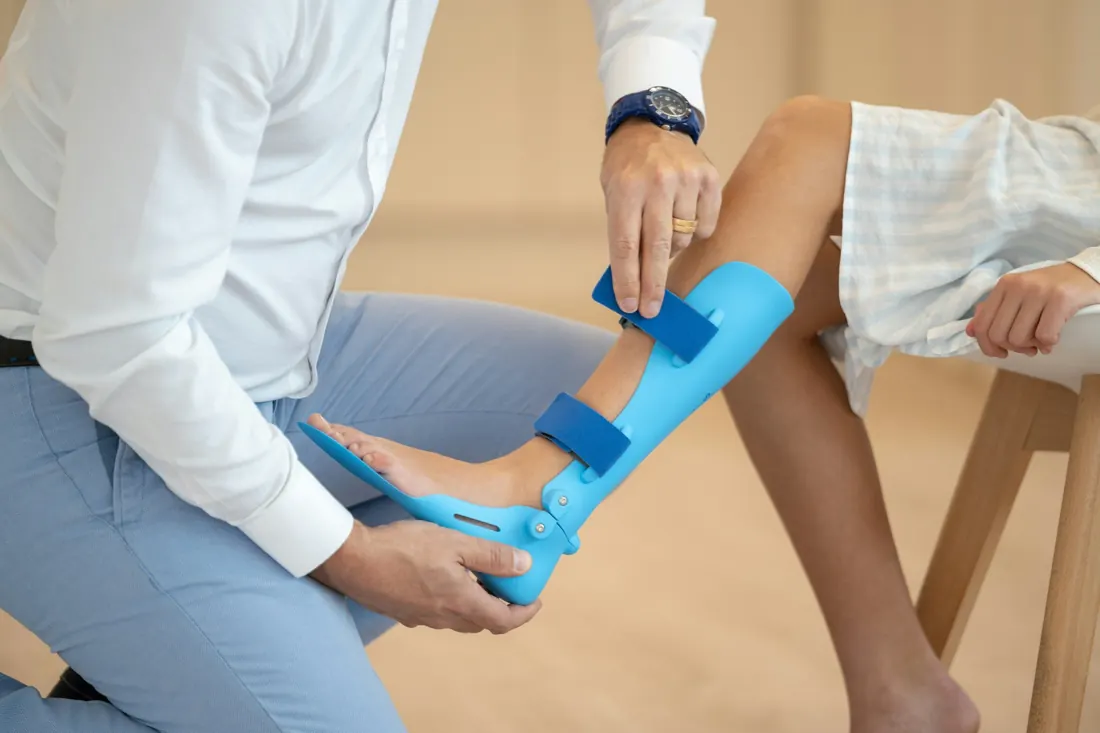
A bunion is a bony bump at the base of the big toe, where the toe drifts toward the others. It can cause rubbing, soreness and swelling. Wide shoes, padding and orthotics ease many bunions; surgery is considered when pain limits daily life despite those measures.
A bunion is easy to see and often easy to ignore until shoes stop fitting. The bump itself is not the whole problem. It reflects a change in the alignment of the big toe joint, and that is why simply shaving the bump rarely tells the whole story when surgery is discussed.
What a bunion is
Doctors call it hallux valgus. The first metatarsal, the long bone leading to the big toe, shifts inward while the big toe angles outward toward the second toe. The joint at the base of the toe becomes prominent. The skin over it can thicken, and a small fluid sac may swell. A smaller version at the base of the little toe is called a bunionette or tailor's bunion.
Symptoms
- A visible bump on the inside of the foot at the base of the big toe.
- Redness, swelling or burning over the bump, worse in tight shoes.
- Pain in the joint when walking, especially during push-off.
- Calluses where toes rub, or a second toe that crowds or rides above the big toe.
- Stiffness or a limited range of motion in the big toe.
Why bunions form
Foot shape is inherited, so bunions often run in families. Flat feet, loose ligaments and some inflammatory conditions such as rheumatoid arthritis contribute. Shoes do not usually cause the underlying structure but can speed up the progress and the pain. Tight, narrow or high-heeled shoes squeeze the forefoot. Bunions are more common in women and tend to enlarge slowly over many years, though not in everyone.
When to see a specialist, and when to go to the emergency room
See a clinician if the bunion hurts despite comfortable shoes, if walking or sport is affected, if the toe is becoming stiff or overlaps the neighbors, or if calluses or sores keep returning. People with diabetes or poor circulation should have any foot sore evaluated early.
Go to an emergency room or call 911 for a foot that is hot, red and swollen with fever or red streaking, an open wound with signs of infection in someone with diabetes, a cold or blue foot, or severe pain after an injury with inability to bear weight. Sudden severe pain in the big toe joint with swelling can also be gout and should be seen promptly.
How it is diagnosed
A clinician looks at the foot standing and sitting, checks the joint's motion, and assesses the arch, other toes and footwear. Weight-bearing X-rays are the key study: they measure the angle between the big toe and the first metatarsal and show arthritis. These measurements help classify severity and plan treatment. Other tests are rarely needed unless gout, an inflammatory condition or nerve problems are suspected.
Treatment from conservative to surgical
Conservative care
Treatment starts with footwear: a wide toe box, low heel and soft upper reduce pressure. Bunion pads, toe spacers and gel sleeves cushion the area. Over-the-counter or custom orthotics can improve foot mechanics. Ice, and anti-inflammatory medication when appropriate for you, may calm flares. An injection into the joint is sometimes used for arthritis or a swollen sac, though it does not change the alignment. Conservative measures relieve pain; they do not straighten the toe.
Surgery
A bunionectomy is considered when pain keeps limiting walking or shoe wear despite good conservative care. It is not recommended for cosmetic reasons alone. The procedure is chosen by the degree of deformity and joint health: many involve cutting and realigning the first metatarsal (an osteotomy) and balancing soft tissue, while arthritic or very unstable joints may need a fusion. Some procedures are done through small incisions. Possible downsides include stiffness, recurrence, nerve irritation, and a long swelling period, which a surgeon will review.
What recovery usually looks like
Pain from a bunion that is treated with shoe and padding changes often eases within days to weeks of changing footwear, though the bump remains. After surgery, many people walk in a protective shoe or boot soon afterward, with swelling persisting for months. Return to regular shoes commonly takes about six to twelve weeks, and full recovery can take longer. Your surgeon will give you a timeline tailored to the technique used.
What to bring to the visit
Bring the shoes you wear most, and the pair that hurts most, since wear patterns tell the clinician a lot about how you load the foot. Be ready to say when the bump started, whether relatives have bunions, and whether you have diabetes, numbness, gout or an inflammatory condition. If you use orthotics or pads, bring them. Standing X-rays are often taken at the visit, so wearing easy-to-remove footwear helps.
Related foot problems
Bunions often come with other foot pain, such as the heel pain described under plantar fasciitis, and arthritis in the big toe joint can resemble one. A broader overview of sports injuries can help if pain began with a twist or impact. Ankle sprains sometimes alter how weight lands on the forefoot.
Practical shoe advice
- Choose a toe box that lets your toes spread flat, and shop for shoes late in the day when feet are largest.
- Keep heels low to moderate, since high heels shift weight onto the forefoot.
- Replace worn insoles and avoid pointed styles for long days on your feet.
Out-of-network and self-pay care
Bunion care can range from an examination and X-rays to custom orthotics or surgery. Elite MD Care is an out-of-network practice that also welcomes self-pay patients, so you can weigh options against your benefits or a direct payment.
Read how out-of-network visits work and how self-pay is handled, then use the out-of-network cost calculator. Details on orthopedic services are also available.
Sources
- American Academy of Orthopaedic Surgeons, OrthoInfo. Bunions
- MedlinePlus (National Library of Medicine). Bunions
- MedlinePlus. Foot Injuries and Disorders
This page is general health information and is not medical advice. It does not create a physician-patient relationship. Consult a qualified clinician about your own symptoms and treatment.