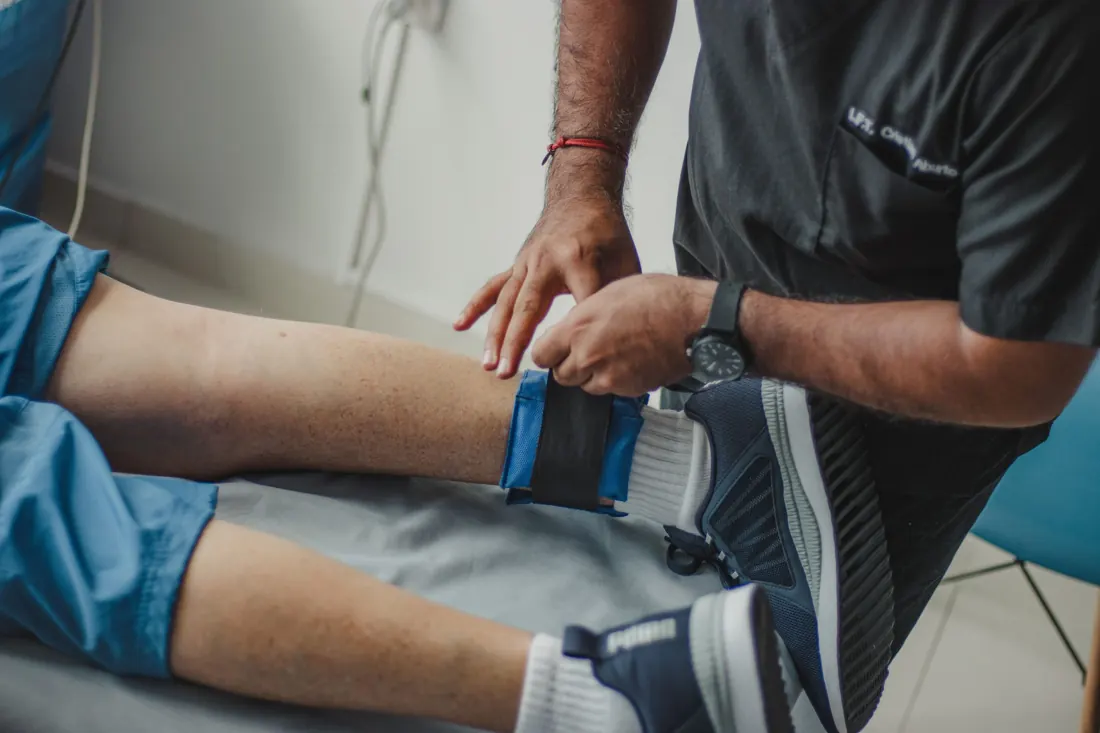
An orthopedic doctor is a physician who diagnoses and treats bone, joint, muscle and spine conditions with medication, injections, therapy referral and surgery. A chiropractor is a licensed non-physician who focuses on spinal and joint manipulation and related care. Neither is always better. The right choice depends on your symptoms and findings.
Back and neck pain send millions of people to one office or the other, and the choice often comes down to who a friend recommended. A better approach is to compare what each professional is trained and licensed to do, then match that to what is wrong. Many people use both at different points, and the two are not rivals so much as different tools.
Training and what each can diagnose
An orthopedic doctor completes medical school, then a surgical residency in orthopedics, and often an additional fellowship in a region such as the spine, sports medicine or the shoulder. That training covers examination, interpretation of imaging, and decisions about when surgery is and is not appropriate. A chiropractor completes a doctor of chiropractic degree and state licensure. Scope of practice differs from state to state, and the rules in New Jersey and New York are set by each state's licensing board, so it is worth asking any clinician what they can and cannot do in their office.
Side-by-side comparison
| Question | Orthopedic doctor | Chiropractor |
|---|---|---|
| Type of clinician | Physician (MD or DO) with surgical training | Doctor of chiropractic, licensed by the state |
| Typical focus | Diagnosis of bone, joint, muscle and nerve problems | Spinal and joint manipulation, exercise and lifestyle advice |
| Orders imaging | Yes, including MRI and CT | Often X-rays; scope varies by state |
| Prescribes medication | Yes | No |
| Image-guided injections | Offered by some orthopedic and spine practices | No |
| Surgery | Yes, when indicated | No |
What the evidence says about manipulation
The National Center for Complementary and Integrative Health reviews spinal manipulation as one option among several for low back pain, and describes the research as showing modest benefit for some people, with side effects that are usually mild, such as temporary soreness. Rare serious problems have been reported, which is why a proper examination first matters, especially for neck manipulation. Manipulation is not a substitute for finding out whether something structural, such as a fracture or a disc problem pressing on a nerve, is behind the pain.
When an orthopedic or spine evaluation makes sense first
- You had an injury with a fall, accident or sudden twisting, and cannot use the limb normally.
- Pain travels down an arm or leg, or you have numbness or tingling. Our pages on sciatica and cervical radiculopathy explain these patterns.
- You are an older adult, take steroid medicine, or have osteoporosis, which raises the chance of a fracture.
- You have had cancer, or have unexplained weight loss or fever along with pain.
- Pain has not improved after several weeks of reasonable self-care.
- You want to discuss injections or surgery as possibilities.
When a chiropractor may be a reasonable choice
For a recent episode of uncomplicated mid or low back pain without warning signs, some people choose a chiropractor for manipulation and exercise guidance, and some find it helpful. If you go this route, a few habits help. Ask what the examination includes, ask how many visits are expected and how progress will be judged, and be cautious about long prepaid treatment plans or advice that you need regular adjustments indefinitely. If pain spreads, weakens a limb or does not move after a few weeks, a medical evaluation is the next step.
Using both
These professions can complement one another when each stays within its scope. A physician can rule out a structural cause and then clear you for manual therapy or physical therapy, and a chiropractor who notices warning signs should refer you for medical evaluation. If you already see one, tell the other, and bring along any imaging reports. The checklist in what to bring to your first visit covers what to carry.
Questions to ask at either office
- What do you think is causing my pain, and what findings support that?
- Do I need imaging, and how would the result change the plan?
- How many visits do you expect, and what will tell us it is working?
- What are the risks of the treatment you are suggesting?
- What would make you send me to a different type of clinician?
- What will the visits cost, and can I get that in writing?
A good clinician in either profession welcomes these questions. If answers feel vague, or if you are pressured to commit to a long series of visits before any findings are explained, consider a second opinion. The same applies in the other direction: if an orthopedic visit ends with a recommendation you do not understand, ask for the reasoning in plain terms.
Red flags that need emergency care, not either office
Go to the nearest emergency room or call 911 for loss of bladder or bowel control, numbness in the groin or saddle area, rapidly worsening leg weakness, back pain with fever, pain after significant trauma, or severe pain in a person with known cancer. Do not wait for an appointment with any provider in those cases.
Cost and coverage
Coverage rules differ for each. Some plans cover a limited number of chiropractic visits a year, and specialist visits are covered under different benefit categories. If you are comparing costs, see the guide on orthopedic visit cost for how to ask the right questions about a first visit. Questions about our own visits are best answered when you contact us.
Choosing for a specific problem
A few examples show how the logic plays out. Someone who strained their back lifting a box yesterday, with no leg symptoms, might reasonably try either route, or simply stay active at home and see how the next week goes. Someone with shooting leg pain and a numb foot should have a medical examination before any manipulation. Someone with neck pain after a rear-end collision should be evaluated for injury first, since fractures and ligament damage can be missed without imaging. A weekend athlete with a sore elbow could start with a sports or orthopedic visit, or with therapy, depending on how long it has lasted.
Sources
- NCCIH: Spinal Manipulation, What You Need To Know
- NCCIH: Chiropractic Care
- OrthoInfo (AAOS): Low Back Pain
- NIAMS: Back Pain
General information, not legal, tax or insurance advice. Your plan documents and insurer decide coverage; we confirm your actual benefits before you book.